Flags Game: Why It’s So Hard to Stop at One
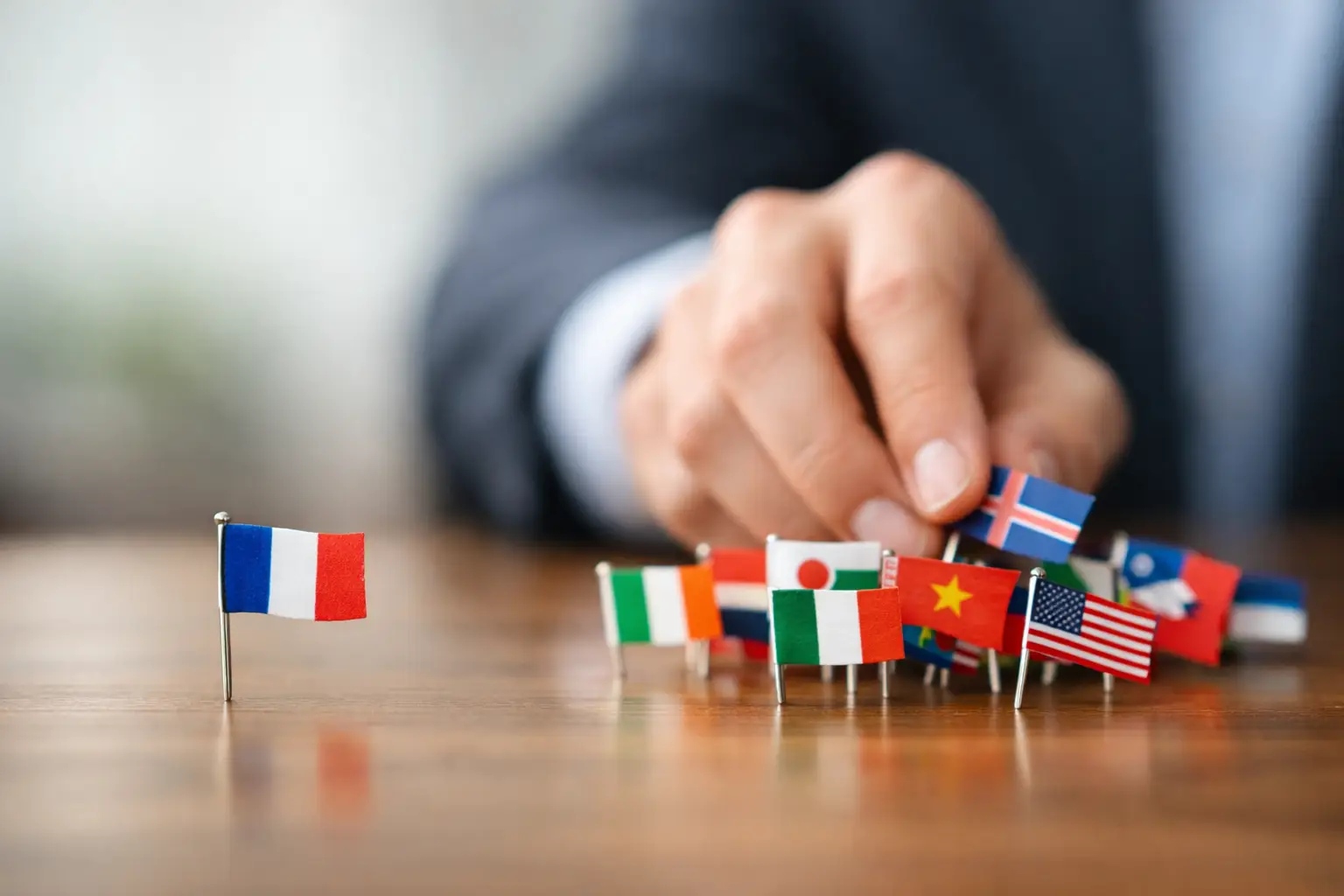
You look at a few bands of color, maybe a star, maybe a crest you half recognize, and suddenly your brain is doing a lot more work than expected. That’s the pull of a good flags game. It feels quick and casual on the surface, but underneath, it taps memory, pattern recognition, geography knowledge, and just enough pressure to make the guess feel satisfying.
That mix is why flag-based puzzles keep finding an audience far beyond trivia diehards. Students use them as a fast study break that still feels useful. Teachers use them to make country recognition less dry. Puzzle fans like the daily rhythm. Travelers like testing what they remember from maps, airports, and world events. And for everyone else, it’s a better kind of five-minute scroll - one that leaves you with a fact instead of a blur.
What makes a flags game work
Not every geography puzzle sticks. Some feel like a quiz you forgot to study for. Others are too easy to be interesting after a few rounds. The best flags game lands in the middle.
It gives you a clear task right away. Guess the country from the flag. No setup, no learning curve, no friction. That simplicity matters because it gets you into the challenge fast. A player should understand the goal in seconds, not after reading a wall of instructions.
But simplicity alone is not enough. The game also needs tension. If the whole flag is visible and the answer is obvious, there is no puzzle. If the flag is too hidden or the options are too broad, it turns into random guessing. The sweet spot is partial information - just enough for a smart first guess, but not enough for certainty.
That’s where flags are perfect game material. They are visual, compact, and packed with clues. Colors hint at regions. Symbols suggest history, religion, or political identity. Layouts trigger memory. Even when you don’t know the answer immediately, you usually know something, and that keeps you engaged.
Why flags game rounds feel smarter than ordinary trivia
A standard trivia question often has one route to the answer: you either know it or you don’t. A flags game usually gives you more to work with. You can reason through it.
See red, white, and blue horizontal stripes? That opens a wide field, but it is still a field. Spot a sun, moon, cross, or triangle? Now you are narrowing it down. Notice that the colors look Pan-African, Pan-Arab, or Nordic? You are no longer guessing in the dark. You are using clues.
This is what makes the experience satisfying for casual players. You do not need expert-level geography knowledge to have a good round. Recognition helps, of course, but deduction matters too. That balance keeps the game welcoming while still rewarding people who know more.
It also creates a nice learning loop. When you miss a country once, the flag usually sticks better the next time. Because the learning happens inside a moment of tension and curiosity, it tends to last. That is a big reason flag games work so well for microlearning. They teach without feeling like homework.
The daily format changes everything
A flag quiz with hundreds of random rounds can be fun. A daily challenge is different. It gives the game shape.
One puzzle a day means everyone is playing the same thing. That shared format adds a quiet social layer, even when the game stays lightweight. You compare guesses, streaks, and scorelines with friends. You talk about whether today’s flag was easy or unfair. You remember the ones that got you.
It also keeps the game from wearing itself out. Geography trivia can become repetitive if you binge too much at once. A daily limit protects the challenge. It leaves a little room for anticipation, which is a big part of habit-based games.
There is another advantage here: fairness. When everyone gets the same puzzle under the same rules, performance means more. It feels less like a personalized feed and more like a shared test of memory and perception. That makes a simple browser game feel bigger than it is.
Why some flags are easy and others are brutal
If you have ever breezed through one day and stalled out the next, that is not just luck. Some flags are easier to identify because they have stronger visual signatures.
Japan is clean and immediate. Canada has a symbol that carries most of the work. Brazil is distinctive because of shape, color, and density. These flags are memorable even for people with limited geography knowledge.
Then there are the harder ones. Many countries share similar color palettes, stripe patterns, or regional design traditions. A red-white-green combination can send your mind in several directions at once. Add partial concealment, and the challenge jumps fast.
That is actually good design - to a point. A strong flags game should include both quick wins and tougher reads. Too many obvious rounds and players get bored. Too many similar-looking flags and players stop trusting their own reasoning. Variety is what keeps the daily challenge fresh.
A good flags game teaches more than flag recognition
On paper, the skill seems narrow: identify countries by their flags. In practice, players often build a wider mental map.
You start noticing regional patterns. You remember where a country is because you finally learned its flag. You connect symbols to history. You begin to separate countries you used to lump together. That kind of knowledge is small in each moment, but it compounds over time.
This matters because geography is often taught as a set of facts to memorize, then forget. Games change the context. Instead of forcing recall, they create repeated, low-stakes contact. A country appears, you make a choice, and the answer gives immediate feedback. That is a strong recipe for learning.
For younger players, the value is obvious. For adults, it is just as useful, even if they frame it as entertainment. A lot of people want short activities that feel mentally active without becoming work. A flags game fits that space well. It is quick, repeatable, and a little humbling in the best way.
What players actually want from the experience
Most people are not looking for a giant geography platform the first time they click. They want one clean challenge and a reason to come back tomorrow.
That is why accessibility matters so much. Free access matters. No account required matters. Being able to open the game in a browser and start immediately matters. Every extra step between curiosity and play loses people.
The best experience is almost invisible. You see the puzzle, make your guesses, get the result, and move on with your day a little sharper than before. If you want more, there can be more - capitals, maps, distance clues, streaks, leaderboards. But the core should stay light.
That balance is where a platform like Flagdle gets it right. The entry point is simple, but the broader geography challenge can grow with the player. Some users want one daily flag and done. Others want a full run across several country-based games. Both approaches make sense.
Flags game design is harder than it looks
From the outside, the concept seems almost too simple to get wrong. Show a flag, let people guess. In reality, the details decide whether the game feels sharp or forgettable.
Three areas matter most: clue quality, pacing, and feedback. If the hidden flag reveals too much or too little, the challenge breaks. If the round takes too long to resolve, the quick-hit appeal disappears. If the result screen is flat, the learning loop weakens.
There are trade-offs. A tougher game may feel more rewarding for geography fans, but it can also shut out new players. A very easy game is welcoming, but it may not hold attention for long. The best version usually adjusts tension without adding complexity. It trusts the puzzle itself to do the work.
That is also why visual cleanliness matters. Flags are already dense with meaning. The interface should not compete with them. Good design gets out of the way and lets the player focus on the image, the guess, and the reveal.
Why this category keeps growing
People are tired of digital experiences that ask for too much upfront. Too much time. Too much data. Too much commitment. A good flags game offers the opposite.
It is fast. It is clear. It gives you a small challenge with a real answer and a little burst of satisfaction when you get it right. Better yet, it makes you better over time. That is rare enough to stand out.
The category also benefits from being naturally shareable. You can post your result without spoiling the answer. You can challenge a friend without needing them to download anything. You can compare performance across ages and skill levels because the rules are easy to grasp.
That combination - low friction, repeatable challenge, genuine learning, and social comparison - gives the format staying power. It is not just another trivia gimmick. It fits how people actually want to play on the web.
If you want a daily game that respects your time and leaves you knowing a little more than you did five minutes earlier, a flags game is hard to beat. And the best part is that tomorrow’s round will probably teach you something new before your coffee cools.